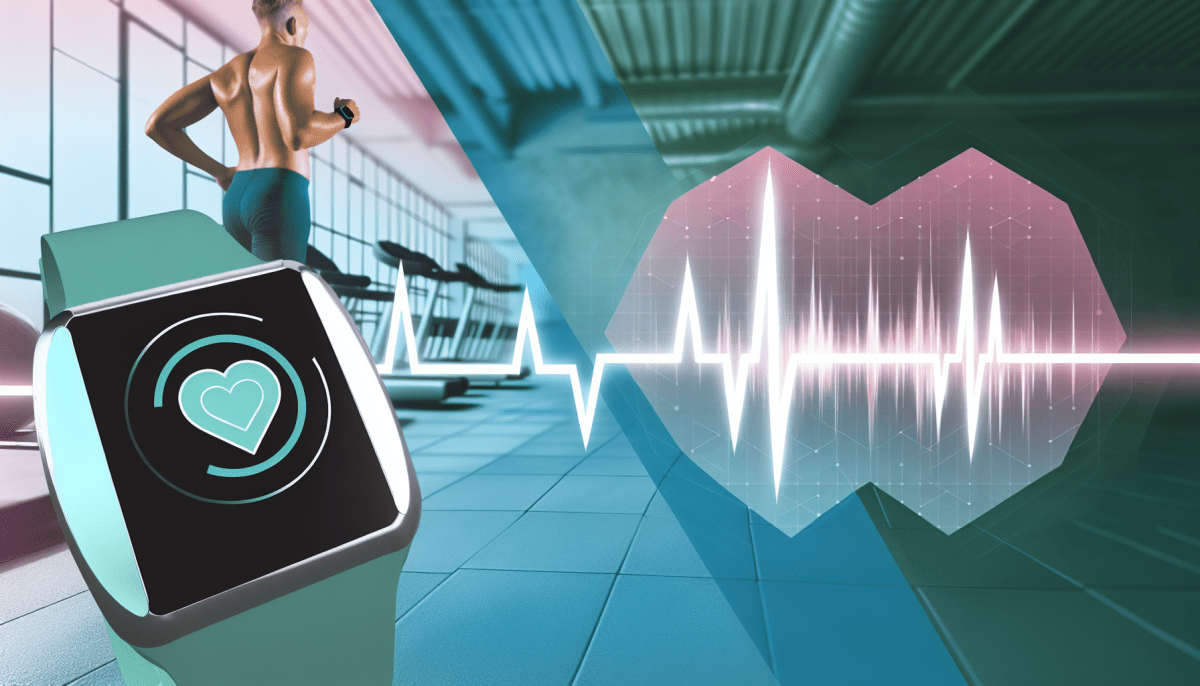
A heart rate monitor is a handy device that tracks your heart rate in real-time. It's like having a personal coach right on your wrist or chest, helping you keep an eye on how hard your heart is working during workouts or daily activities. Whether you're running, cycling, or just going for a walk, these monitors give you all the info you need.
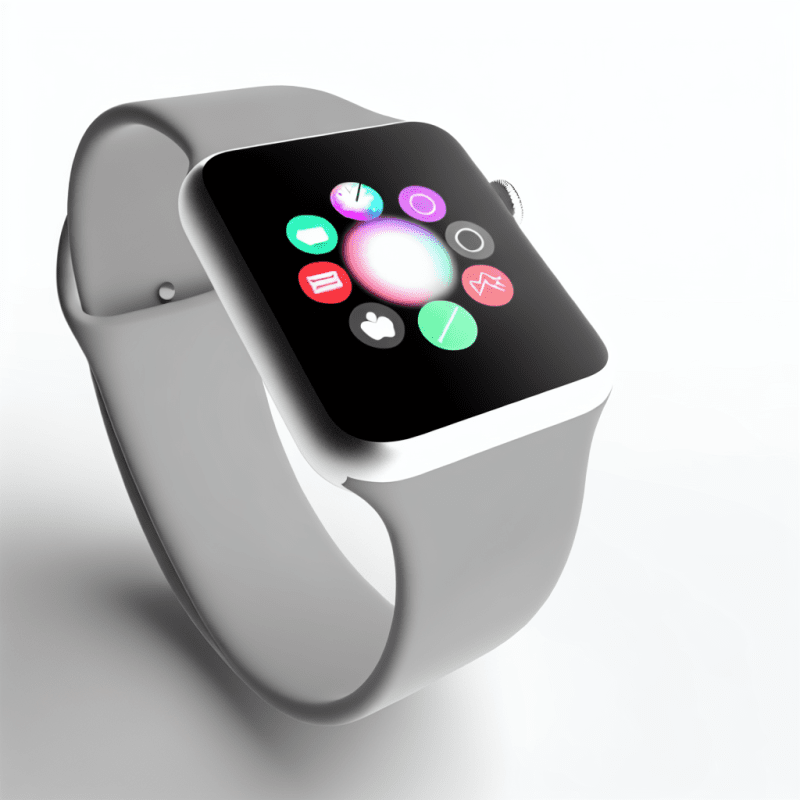
Most heart rate monitors come in two types: strap-based and wrist-based. Strap-based monitors are worn around your chest, which gives very accurate readings, especially during intense exercise. Wrist-based monitors, like smartwatches, are super convenient since they combine heart rate tracking with other features like notifications and fitness stats.
Using a heart rate monitor is really simple. Just strap it on or wear it, and it starts tracking your beats per minute (BPM). You can see your current heart rate, average rate during activities, and even set alerts if your heart rate goes above or below a certain level. This is great for staying in your target heart rate zone while working out!
Why should you care? Keeping an eye on your heart rate helps you gauge your fitness level, avoid overtraining, and optimize your workouts. Plus, it can be a huge motivator to see how your heart responds to different activities. With the right heart rate monitor, you’ll be one step closer to reaching your health and fitness goals.
How do Heart Rate Monitors Work
Heart rate monitors are super handy gadgets that help you keep track of your heart rate effortlessly. They use sensors to detect your heartbeats and can show you real-time data while you're working out or just going about your day. Most monitors come equipped with either optical sensors that use light to track your blood flow or electrodes that pick up electrical signals from your heart.
Optical sensors are pretty cool. They shine a light onto your skin and measure how much light gets absorbed. Your blood absorbs the light differently depending on how fast your heart is beating. So, when you're exercising and your heart rate goes up, the change in blood flow shows a different absorption pattern. The monitor processes that data and gives you your heart rate in beats per minute.
On the other hand, some heart rate monitors use electrodes placed against your skin, usually in a strap form. These electrodes pick up electrical impulses generated by your heart when it beats. This method can be super accurate, especially during intense workouts, because it directly measures the signals your heart sends out.
Whether you opt for an optical or electrical monitor really depends on your needs. If you want something simple to wear during daily activities, optical monitors are great. But if you’re into serious training and want precise data, consider a chest strap with electrodes. Either way, these gadgets help you stay in tune with your body and reach your fitness goals!
Benefits of Using a Heart Rate Monitor
Heart rate monitors are super handy tools for anyone looking to get a better handle on their health and fitness. First off, they keep tabs on your heart rate, so you can see how hard your heart is working during workouts. Whether you're hitting the gym or going for a run, knowing your heart rate can help you stay in the right training zone to meet your goals.
Another big plus is the ability to track your progress over time. Many heart rate monitors sync with apps to show you trends, which is great for motivation. You can see how your fitness improves, how your resting heart rate drops, and how hard you’re pushing yourself throughout your workouts. This data helps you adjust your routine as needed, so you keep making gains.
Plus, these monitors often come with built-in reminders and alerts. If you’ve been slacking on your activity for too long, your monitor can give you a nudge to get moving. It’s like having a personal cheerleader on your wrist, pushing you towards a healthier lifestyle!
Finally, heart rate monitors can also give you peace of mind. Knowing your heart rate helps you manage stress and monitor your body better, especially during high-intensity activities. It’s a great way to understand how your body reacts to exercise and adjust accordingly, keeping you safe and sound.
Choosing the Right Heart Rate Monitor
Picking the right heart rate monitor can feel a bit overwhelming with all the options out there, but it doesn’t have to be! Start by thinking about how you plan to use it. Are you a runner, a cyclist, or maybe someone who just wants to keep an eye on their heart health? Different activities might benefit from different features.
Next, consider how you want to wear the monitor. There are wrist-based monitors that look like smartwatches, chest straps for more accuracy, and even fitness bands that track your heart rate while blending seamlessly into your daily life. If you like to keep it casual, a wrist strap might be the way to go. But if you’re serious about your training, a chest strap can give you the most precise readings.
Don’t forget about compatibility! If you’re already using a fitness app or smart device, check if the monitor you’re eyeing works well with it. This can make tracking your progress so much simpler. Some monitors also come with built-in GPS, which is a nice bonus if you enjoy outdoor activities.
Finally, think about battery life and comfort. You want something that lasts through your workouts without constantly needing a recharge. Comfort matters too! If you’re not comfortable wearing it, you’re less likely to use it. Look for options that fit snugly but aren't too tight.